
RECENT POSTS ABOUT THE HISTORY OF THE COLUMBIAN EXPOSITION’S BUILDING, FAIRGROUNDS, EXHIBITS, EVENTS, AND PEOPLE.
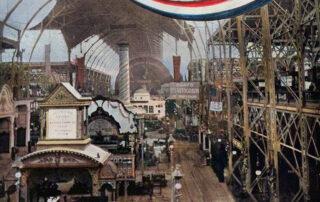
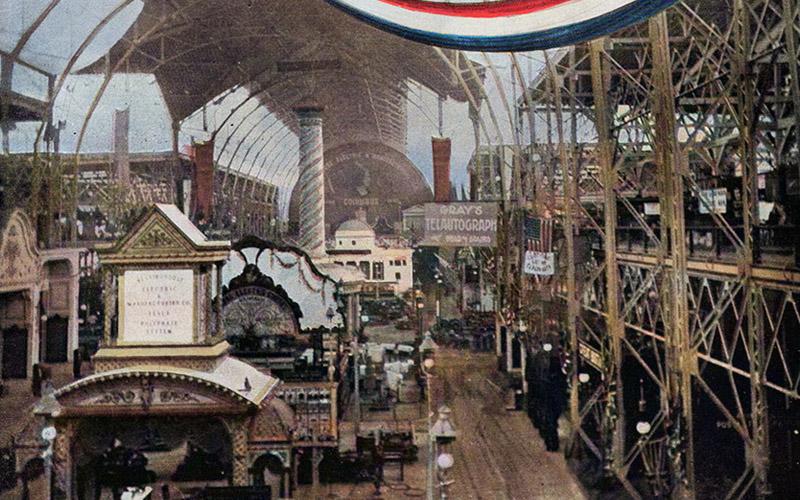
144. Picturesque World’s Fair – Interior of the Electricity Building
INTERIOR OF THE ELECTRICITY BUILDING.—How the world advances was perhaps better illustrated in the Electricity Building than in any other of the great structures on the grounds. At no previous exposition had there ever been a structure set apart for electrical exhibits and at none could there have been anything like the display here made. The marvelous advance in the use of electricity has been accomplished since Philadelphia and Paris did their best. Science and invention have but lately begun to fairly occupy this new world, but that the occupancy is already great was demonstrated by the magnificent showing [...]
Nov 3, 2022: “MEET ME AT THE FAIR!: Music from the Great World’s Fairs” (Williamsport, PA)
Paragon Ragtime Orchestra will present MEET ME AT THE FAIR!: Music from the Great “World’s Fairs” on November 3, 2022. A spectacular musical celebration of the legendary world’s fairs, including the 1876 Centennial Exhibition, the 1893 World’s Columbian Exposition, the 1904 St. Louis World’s Fair, and the 1915 Panama-Pacific Exposition. Music played a key role in the success of all these international festivals, launching both hit songs and the illustrious careers of many American musicians (including Scott Joplin and Sousa). This new Paragon Ragtime Orchestra program features dozens of stirring world’s fair hits (from rare, original scores) with the continuous [...]

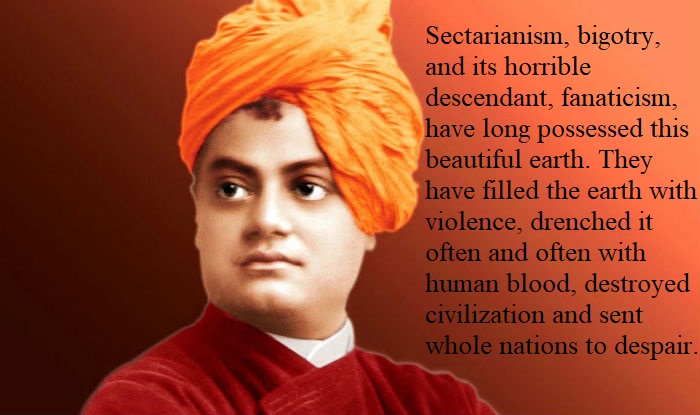
The Indian guru who spoke at the 1893 World’s Fair
“One morning in September 1893, a 30-year-old Indian man sat on a curb on Chicago’s Dearborn Street wearing an orange turban and a rumpled scarlet robe. He had come to the United States to speak at the Parliament of the World’s Religions, part of the famous World Columbian Exposition. The trouble was, he hadn’t actually been invited …” Read more about Swami Vivekananda’s time at the 1893 World’s Fair in Jennie Rothenberg Gritz's “The Indian Guru Who Brought Eastern Spirituality to the West” for Smithsonian Magazine (October 6, 2022). Swami Vivekananda (center) and other East India Delegates to [...]
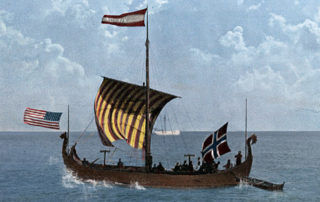
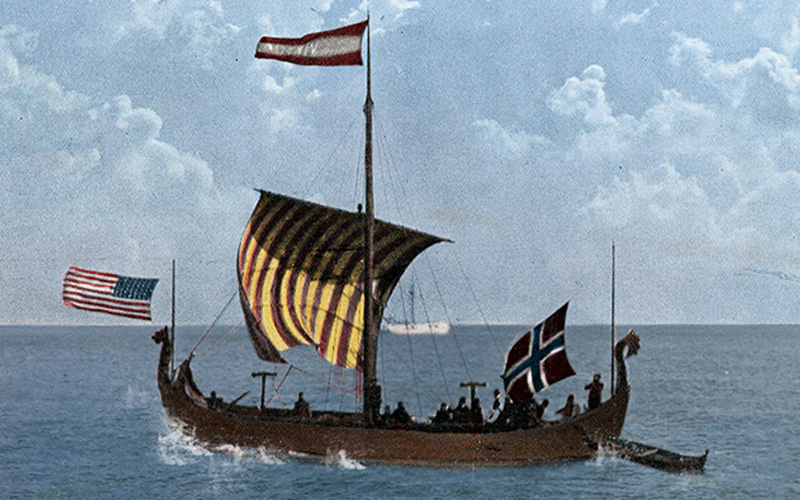
Listen to the journey of the Viking Ship to the 1893 World’s Fair in Chicago
Few surviving artifacts from the 1893 World’s Columbian Exposition are as treasured as the Viking, an exact replica of the Gokstad ship that sailed from Norway to be displayed at the Fair. Friends of the Viking Ship in Geneva, Illinois, work to preserve and educate about the Viking and her crew. They have released a new audiobook version of Viking: From Norway to America (Friends of the Viking Ship, 2014), an English translation of the memoir written by crew member Rasmus Rasmussen. The audiobook is available through many online retailers, including: Apple Books Barnes & Noble Chirp Google Play [...]

Feeding the masses on Chicago Day
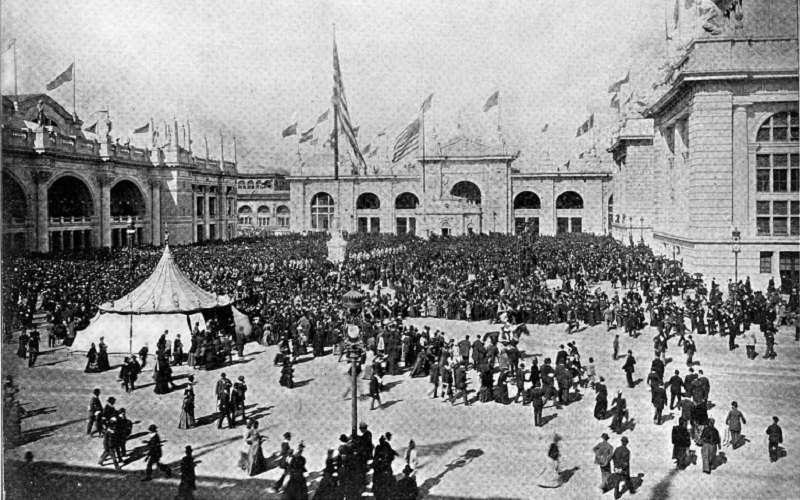
A photograph by Charles Dudley Arnold of the lovely Café de la Marine (Marine Café) designed by architect Henry Ives Cobb. [Image from Arnold, C. D.; Higinbotham, H. D. Official Views of the World’s Columbian Exposition. Press Chicago Photo-gravure Co., 1893.] A sea of humanity poured into the fairgrounds of the World’s Columbian Exposition on Chicago Day (October 9, 1893). The “greatest gathering in history” shattered all previous attendance records with 713,646 paid admissions to the Fair and over three-quarters of a million of people inside the gates of the White City. How were they all fed? The Chicago Tribune [...]
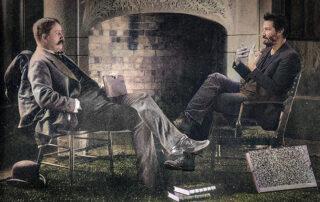
Keanu pulls a Reeves-versal and ditches the “Devil”
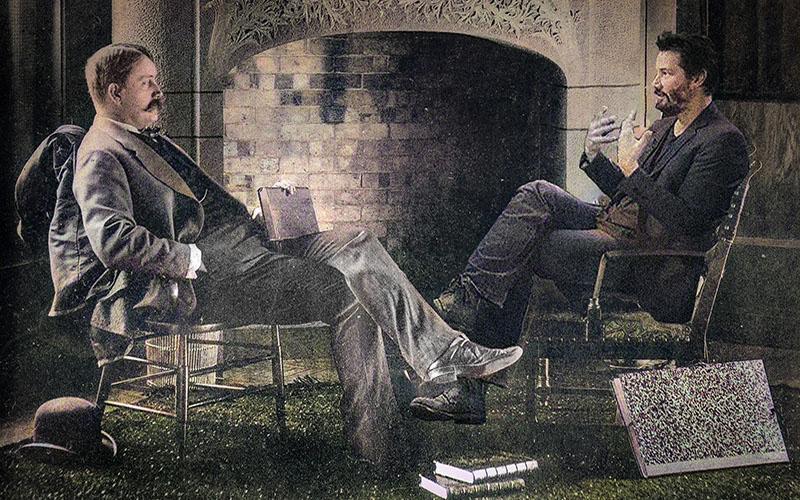
If you’ve been holding your breath since the January 2023 announcement that Keanu Reeves would star in The Devil in the White City mini-series … you can exhale now. He’s out, according to Deadline. The on-again-off-again limited series currently “in production” at Hulu has lost its make-no-little-plans Director of Works for the 1893 World’s Fair. Daniel Burnham (left) discussing his role as Director of Works for the 1893 World's Columbian Exposition with Devil in the White City hopeful lead actor Keanu Reeves (right). [Image © worldsfairchicago1893.com]
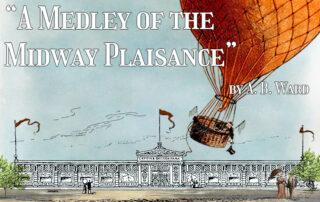
“A Medley of the Midway Plaisance” by A. B. Ward
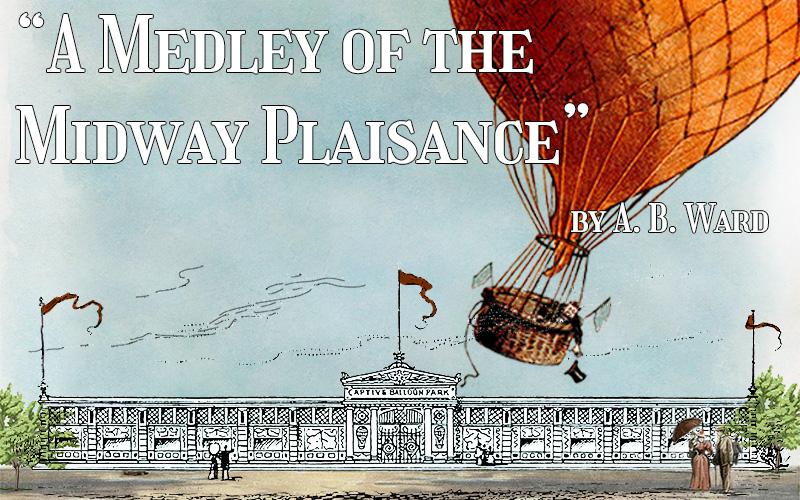
The short story reprinted below is a romance set on the Midway Plaisance of the 1893 World’s Fair. Writing as “A. B. Ward,” Mrs. Alice Ward Bailey (1857–1922) was a prolific author of fiction around the turn of the twentieth century. The mawkish prose and bumpy pacing in this story may explain why the author is essentially forgotten today. Still, her dramatic sketch offers an intimate peek into the lives of fictional inhabitants of the Midway and invites us to wonder about the thousands of real Midway residents whose histories from the summer of 1893 were rarely documented. “A [...]
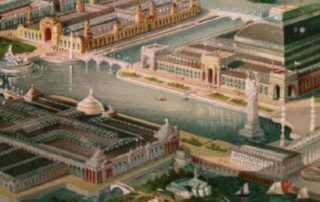
A Wild Conglomeration of Absurd Fantasies
On May 25, 1893, Mr. E. A. Hodge departed Marion, Kansas, heading to the World’s Columbian Exposition. A few days after arriving in Chicago, he wrote home advising other visitors: “Don’t plan to stay here less than ten days—thirty are better, and if you want to study the exhibits you can put in three months.” (Marion Record, June 9, 1893) His letter of July 7, printed in the July 27 issue of the Marion Record (when he finally had returned home from his two-month trip) expressed a dream-like scene of the 1893 World’s Fair. The bizarre imagery confirms that [...]
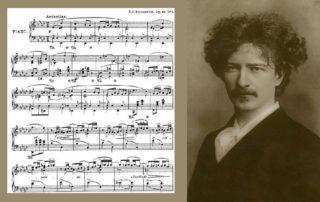
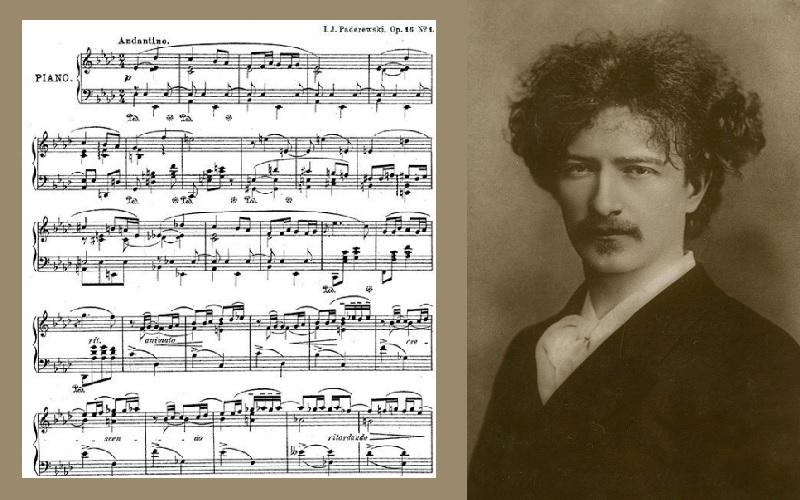
“Crazy Enthusiasm” for Ignacy Paderewski at the 1893 World’s Fair
Among the constellation of famous (or soon-to-be-famous) visitors to the 1893 World’s Fair, few stars shined as bright as pianist Ignacy Jan Paderewski (1860–1941). Wherever he performed, concert halls filled with passionate and adoring fans. The musical celebrity with wild and alluring red hair cast a spell over the women in the audience. One pundit, in the days before Paderewski’s concert at the opening of the World’s Columbian Exposition in Chicago, diagnosed their craze as “Paddymania.” The Musical Courier provided this description of the new concert-hall “disease” brought to America by the Polish pianist: “‘My God! his beautiful face [...]
“It filled me with a great wonder and excitement” Ignacy Paderewski Remembers the 1893 World’s Fair
Who possessed enough star power to follow President Grover Cleveland after he triumphantly opened the World’s Columbian Exposition in Chicago on May 1, 1893? That honor went to the most famous musician of the time—twenty-two-year-old Polish pianist Ignacy Jan Paderewski, who commanded the stage in Music Hall the next night. His finesse with the ivory keys, his unwieldy mass of luxuriant red hair, and his stage magnetism earned him great celebrity, a devoted and swooning audience, and more than a few media caricatures and lampoons. The infatuation he induced among women in his audiences earned the diagnosis of “Paddymania.” [...]